Warner Bros. Discovery is once again at the center of Hollywood’s biggest business story. The company behind HBO, Warner Bros. Pictures, DC Studios, CNN, Discovery Channel and Max has started a formal sale process. Three major players have already stepped forward with first-round bids: Paramount Global, Netflix, and Comcast.
This is more than a corporate headline. This sale has the potential to reshape streaming, cable, and studio power in a way we haven’t seen since Disney bought Fox. If you follow entertainment, business, or streaming trends, this is the moment to pay attention.
Below is a detailed look at what’s happening, why it’s happening, who’s trying to buy the company, and what it means for the future of entertainment.
Why Is WBD on the Table?
- The company recently confirmed it is reviewing “strategic alternatives” after receiving unsolicited interest.
- Its board is looking at both a complete sale and more limited deals (just parts of the business). euronews
- Interestingly, WBD plans to split into two separate companies:
- A “Streaming & Studios” arm (including HBO, DC Studios, its film/TV library)
- A “Global Networks” arm (cable channels like TNT, Discovery, CNN, and Discovery+).
- This breakup could make different parts of the business more attractive to different buyers.
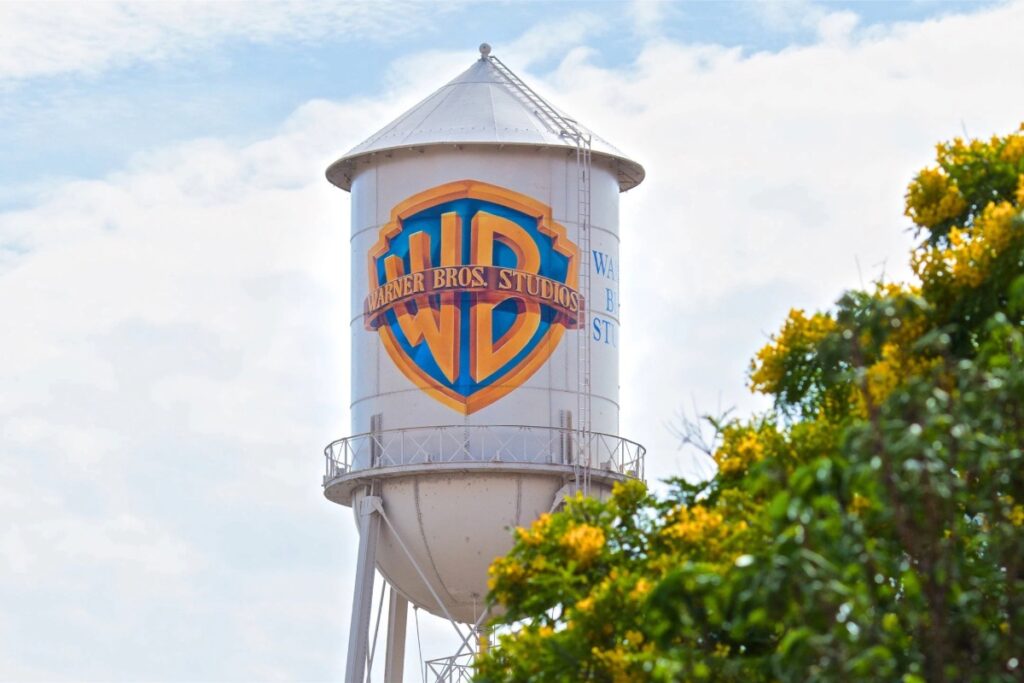
Why Warner Bros. Discovery Is Considering a Sale
For months, there were rumours of interest in buying WBD. Now it’s official: the board has opened a full sale process after receiving serious outreach from multiple companies.
There are a few reasons behind this decision:
1. Heavy Debt and Slowing Growth
WBD has been carrying a large debt load since the WarnerMedia and Discovery merger. At the same time, cable TV continues to decline, streaming growth has slowed, and Max is still competing for global market share. A sale could allow investors to exit with value, especially as the company struggles to balance costs.
2. Pressure From Shareholders
Investors have been vocal about wanting change. Many believe that splitting the company or selling it outright is the fastest way to unlock value. The sale interest pushed WBD’s stock price higher, giving the board more confidence in exploring the opportunity.
3. A Changing Media Landscape
Traditional media companies are being squeezed. Streaming giants spend billions on content and global expansion. Cable advertising is shrinking. Studios are dealing with rising production costs. For WBD, partnering with or selling to a bigger buyer might be the best long-term survival strategy.
What’s for Sale?
According to the reports, WBD is open to selling the entire company, but is also reviewing bids for specific divisions.
The key assets involved include:
- Warner Bros. Pictures (movies)
- Warner Bros. TV (massive TV library)
- HBO and HBO Originals
- Max streaming service
- CNN
- DC Studios
- Discovery cable networks (TLC, Discovery Channel, Animal Planet)
- Kids and family brands like Cartoon Network
- Global studios and distribution arms
Some bidders want the whole package. Others want only the studio and streaming business, leaving cable behind.
This difference is important because it affects how the sale could reshape the company.
The Three Major Bidders
The first round of bids came from three giants: Paramount, Netflix, and Comcast. Each one is approaching the sale with a different strategy.
1. Paramount (Backed by Skydance)
Paramount is the only bidder aiming to buy the entire company.
This includes every division: studios, streaming, cable, news, sports, and all content libraries.
Why they want it:
- Skydance (David Ellison) has already been acquiring companies to rebuild Paramount into a stronger competitor.
- Paramount+ is struggling. Adding HBO, Max, and WB’s massive library could instantly make it stronger.
- Owning Warner Bros. Studios would give Paramount a huge content advantage.
- Consolidating two legacy studios could create the biggest content library in Hollywood history.
The challenge:
- Regulatory scrutiny. Combining two major studio groups could face antitrust questions.
- Paramount itself is navigating internal restructuring and may need outside financing for the deal.
2. Netflix
Netflix is interested in buying only the studio and streaming assets, not the cable networks.
This includes:
- Warner Bros. Pictures
- HBO content division
- Max streaming tech
- Possibly DC Studios
- Film and TV libraries
Why Netflix wants it:
- It gives Netflix access to some of the most premium content in the world.
- HBO’s brand value could strengthen Netflix’s positioning in prestige storytelling.
- It would give Netflix ownership of major IP like Harry Potter, DC heroes, Game of Thrones, The Conjuring, and more.
Why Netflix isn’t going for the entire company:
- They have no interest in running cable channels.
- They don’t want CNN or Discovery networks.
- Taking on WBD’s full debt load doesn’t fit Netflix’s financial strategy.
This is the lowest-risk bid in terms of regulation, but it also means the company would be divided.
3. Comcast (NBCUniversal)
Comcast is taking a similar approach to Netflix: they want the studio and streaming part, not the cable networks.
Why Comcast wants it:
- Universal + Warner Bros would create a global studio powerhouse.
- Peacock could become far more competitive with HBO content added.
- Merging WB’s libraries with Universal’s could create a strong, consolidated streaming and studio ecosystem.
The obstacle:
- Comcast already owns a massive distribution and cable business.
- Buying content + distribution raises antitrust issues. Regulators may look closely at how such a merger affects competition, especially in the US.
Still, Comcast is considered a serious bidder because of its financial strength and long-term media strategy.
How the Sale Process Works
The sale is happening in multiple stages:
- Non-binding first bids were submitted.
- WBD is reviewing which bidders are serious and financially strong.
- Selected bidders will move to the next round and submit binding offers.
- The company will then negotiate final terms.
- The board will make a decision and announce the buyer.
- Regulatory approval will follow.
This process could take months. But industry analysts expect the deal to be finalized sometime in 2025 if everything goes smoothly.
Why This Sale Is a Big Deal for Hollywood
If Warner Bros. Discovery gets sold, it will be one of the most important media deals of the decade. Here’s why.
1. A Major Studio Could Change Ownership
Warner Bros. is a historic brand with nearly 100 years of film and TV history. A change of ownership affects jobs, creative teams, production timelines, and franchise direction.
2. The Future of HBO and Max Could Shift
Under a new owner, the streaming strategy could change again. HBO’s programming style, release schedule, and content investment might also shift depending on the buyer.
3. DC Studios Could Get a New Home
James Gunn and Peter Safran are building a new DC Universe. A sale might support their vision with better resources, or it could disrupt the current plan. If Netflix or Comcast buys studio assets, DC could end up under a new leadership structure.
4. Cable Networks Might Be Sold Separately
If the winning bidder only wants streaming and the studio, cable channels like TNT, CNN, and The Food Network could end up being sold to different buyers. This could change the landscape of cable TV entirely.
What Happens to Employees and Creators?
Large media sales often lead to:
- Restructuring
- Overlapping job cuts
- New management
- Reorganized divisions
But they also create opportunities:
- Fresh investment
- New leadership vision
- More stable long-term planning
- Greater distribution reach for creators
Much will depend on who wins the bid. A full buyout by Paramount is likely to bring more consolidation. A Netflix or Comcast partial acquisition may cause more division-based restructuring.
Will This Change What Audiences Watch?
Yes — but slowly.
The immediate effect will be behind-the-scenes:
contract renegotiations, licensing changes, leadership moves, and new strategies for Max or any merged platform.
Long-term, you might see:
- Changes in where HBO and Warner Bros shows stream
- Rebranding of Max or merging with another platform
- New approaches to DC movies
- Different international distribution strategies
- Larger content libraries under one streaming service
If Netflix wins, HBO shows could eventually move to Netflix exclusives.
If Comcast wins, a combined Peacock + Max platform could happen.
If Paramount wins, Paramount+ might merge with Max under a new name.
Could This Sale Fail?
Absolutely. A lot can still go wrong:
- The bidders may decide the price is too high.
- Regulators may object to certain combinations.
- Financing may become difficult due to market conditions.
- WBD may decide splitting the company into two is better than selling.
So while the process is moving forward, a sale isn’t guaranteed.
Final Thoughts
The potential sale of Warner Bros. Discovery is the biggest entertainment business story of the year. With Paramount, Netflix, and Comcast all competing, the future of one of Hollywood’s most historic companies is about to change.
No matter who wins, the results will ripple across:
- streaming
- movies
- TV
- cable
- global distribution
- and the entire entertainment economy
What happens in the next few months will shape the media landscape for the next decade. And for fans, creators, and the industry, this is a moment worth watching closely.