The third film in the Avatar series, Avatar: Fire and Ash, has been previewed for critics and early viewers — and the response is loud and clear: the film is being hailed as a stunning, emotionally rich, and visually overwhelming cinematic experience. Many are calling it “the ultimate cinematic spectacle.”
What’s the Story and What’s New?
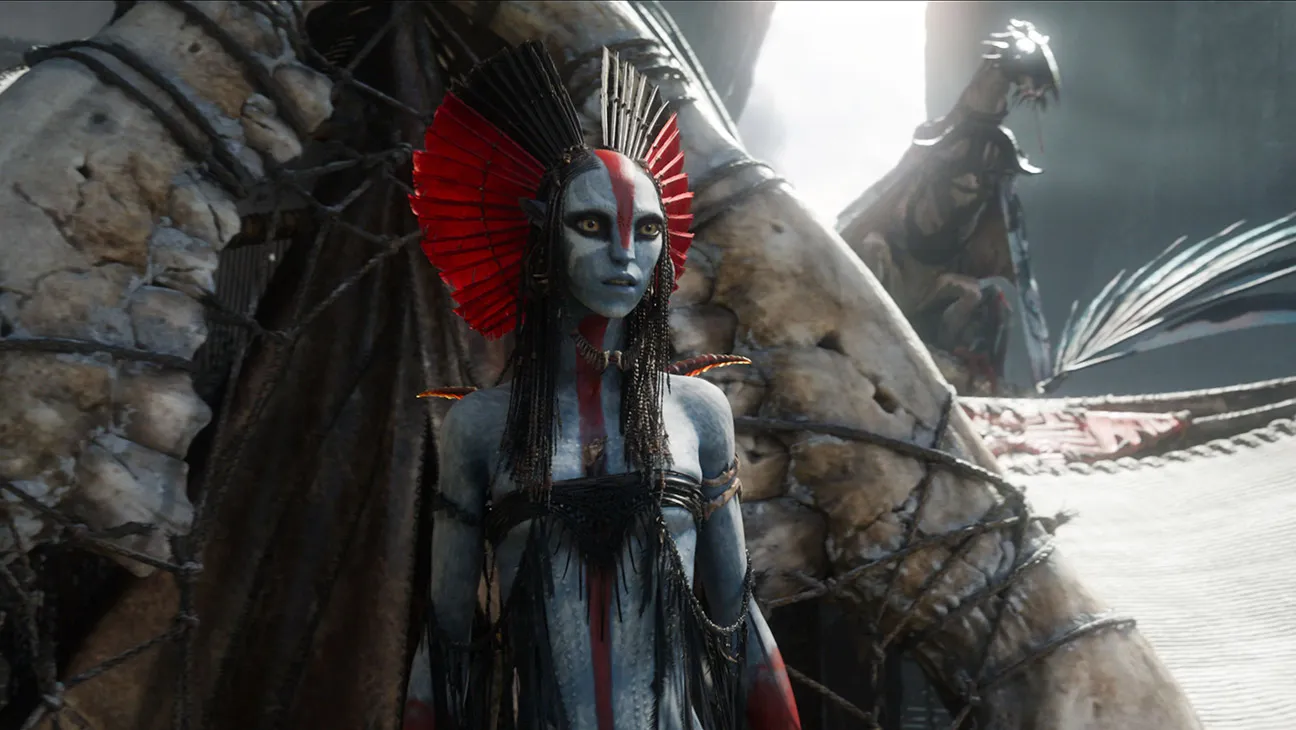
Fire and Ash picks up from the events of Avatar: The Way of Water, with the Sully family — including Jake Sully and Neytiri — coping with tragedy and loss. But a new threat rises: a fierce, warlike Na’vi group known as the Ash Clan, led by a new villain named Varang (played by Oona Chaplin). The Ash Clan, unlike the peaceful tribes seen earlier, live among fire and destruction — marking a darker, more violent turn in Pandora’s saga.The film reportedly delves deep into themes of grief, survival, and legacy. The Sullys’ personal anguish — combined with the external threat — sets the stage for a high-stakes conflict.
Visuals, Emotion & Cinematic Scale: What Reviewers Loved
After early screenings, many critics expressed awe at what Fire and Ash delivers. The film has been praised for:
- Jaw-dropping visuals — sweeping landscapes, fire and ash aesthetics, and immersive world-building, especially in IMAX and 3D formats. Rotten Tomatoes
- Emotional depth and bigger stakes — the narrative deals not only with action and spectacle, but also grief, loss, and family, making the story feel more grounded than in previous installments. Variety
- Thrilling new characters — new faces such as Varang and her Ash-Clan enhance the story and bring fresh energy to the franchise.
Journalists were full of praise: one wrote, “Three films in, James Cameron still has the sauce … making the epic spectacular feel emotionally impactful.” Another called it “a staggering achievement of moviemaking” and “bigger, better and more emotional than ever before.”Visuals, Emotion & Cinematic Scale: What Reviewers Loved
After early screenings, many critics expressed awe at what Fire and Ash delivers. The film has been praised for:
- Jaw-dropping visuals — sweeping landscapes, fire and ash aesthetics, and immersive world-building, especially in IMAX and 3D formats.
- Emotional depth and bigger stakes — the narrative deals not only with action and spectacle, but also grief, loss, and family, making the story feel more grounded than in previous installments.
- Thrilling new characters — new faces such as Varang and her Ash-Clan enhance the story and bring fresh energy to the franchise.
Journalists were full of praise: one wrote, “Three films in, James Cameron still has the sauce … making the epic spectacular feel emotionally impactful.” Another called it “a staggering achievement of moviemaking” and “bigger, better and more emotional than ever before.”
Even reviewers who are generally cautious admitted they were drawn in: the vivid visuals, the complex world-building, and the blend of spectacle + emotion all worked strongly. Some Criticisms & Reservations
It’s not all unanimous praise. A few early reviews and social-media reactions voice concerns:
- Familiar story beats — some say the plot still follows a “capture / rescue / conflict-escalation” arc, similar to earlier Avatar films.
- Long runtime — at over three hours, the film demands patience, and a few critics warn that some scenes feel stretched or overly elaborate.
- Moments of visual overload — while many celebrate the visuals, a few mention that the intensity of effects and scale might overshadow character development at times.
Still, even those with reservations tend to agree on one thing: on the big screen — in IMAX or 3D — Fire and Ash is an experience worth witnessing.
What Makes Fire and Ash Different — and Why It Matters
1. Bold New Direction for Pandora
The introduction of the Ash Clan and their harsh, fiery realm marks a shift from the naturalistic, water-based tribes of earlier films. The contrast between fire and water, war and peace, grief and survival — gives the franchise fresh textures and darker emotional depth.
Director James Cameron has moved away from simple “good vs evil” storytelling. He hints at deeper moral complexity — with internal tribal conflicts and shades of grey in the characters’ motivations.
2. The Visual and Technical Power of Cinema
As many reviewers point out, Avatar: Fire and Ash shows why big-screen cinema still matters. The 3-D, IMAX presentations, stunning VFX, and immersive world-building make it less a “movie” and more a “cinematic event.”
Some have said: this film reminds us why theaters were invented — for experiences too big, too vivid, too emotional to fit on a small screen.
3. Emotional Storytelling with Familiar Faces and New Threats
The return of beloved characters — Jake, Neytiri and their family — mixed with newcomers and fresh tribal dynamics, creates both continuity and novelty. For long-time fans, nostalgia meets innovation.
The grief and trauma from the previous film are not ignored here. The emotional weight and themes of loss, survival, and protection of family give the film a mature tone that grounds even the wildest action scenes.
The Stakes for the Franchise’s Future
Behind the glitz, there’s bigger pressure: Avatar: Fire and Ash might determine the future of the entire franchise. Director Cameron and the studio need this film to do strong box-office numbers to greenlight planned sequels.
If the movie succeeds (especially internationally), the Avatar saga — which some thought might be winding down — could continue. If not, this third chapter might stand as the concluding chapter for now. That uncertainty adds weight to the release.
Final Thoughts
Avatar: Fire and Ash is more than just another sequel. It’s a bold attempt to expand a beloved fictional world with new tribes, new conflicts, and deeper emotional currents. The early reactions suggest that, for many, James Cameron and his team have succeeded — creating a spectacle that’s as visually stunning as it is emotionally resonant.
If you love epic visuals, immersive worlds, dramatic conflicts, and cinematic immersion — this film seems built for you. Despite some narrative clichés and its long runtime, Fire and Ash stands out as a reminder that big-screen cinema still has the power to amaze, move, and transport.