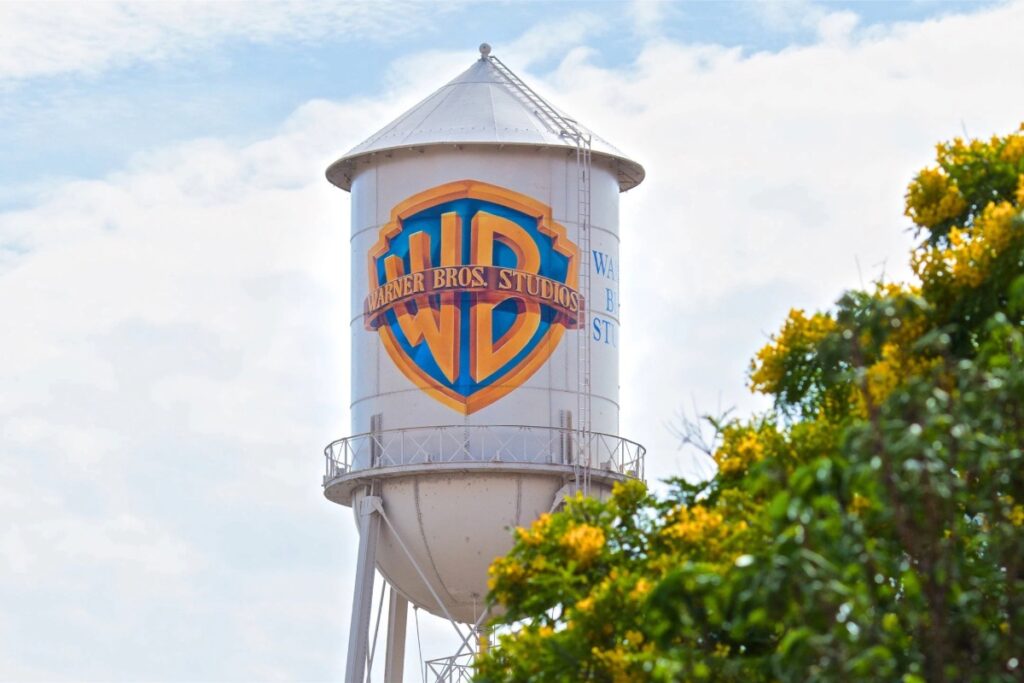
In early December 2025, a big shake-up loomed over Hollywood. Netflix entered exclusive talks to acquire Warner Bros. Discovery’s studios and streaming business — including the streaming service formerly known as HBO Max. If it works out, this deal could reshape how movies and shows are made, released, and watched worldwide.
In this article, we’ll break down: What’s happening now, why Netflix wants WBD, what could change for viewers and the industry, what might go wrong, and what to watch for next.
What’s Going On: The Basic Facts
- Netflix has entered a deal negotiation with Warner Bros. Discovery to buy its film & TV studio operations plus the streaming service.
- Among the bidders originally competing were Netflix, Paramount Skydance and Comcast. But now Netflix appears to have risen ahead in the bidding — at least for the studios + streaming portion.
- The deal doesn’t include WBD’s legacy cable-TV networks (like news or some older channels). The focus is on studios, streaming, films, series and content libraries
- The offer from Netflix is said to be “mostly cash.”
- If finalized, this would combine Netflix’s streaming reach with Warner Bros.’ deep content library — a huge win in terms of scale and content ownership.
In short: this isn’t a rumor — it’s a serious bid in advanced talks. The size of the companies involved makes this potentially one of the biggest media shifts in years.
What Could Change — For Viewers, Creators, and the Industry
If the deal goes through, many things could shift — some good, some uncertain.
🎬 For Viewers — More Content, Possibly Lower Cost
- Subscribing to Netflix could give access not only to Netflix originals, but a huge library from Warner Bros. — movies, series, classic titles, and big franchises.
- With a bigger offering, Netflix could become a one-stop platform for many kinds of entertainment: blockbusters, indie-style films, global shows, and classics.
- If the bundled licensing approach works, streaming costs could drop or at least be more value-laden. Reports suggest that combining the two services might lead to pricing or packages that favour consumers.
This could be good news for those who enjoy variety and use streaming as their main entertainment source.
🛠️ For Filmmakers, Creators — More Resources, Bigger Platform, But Mixed Prospects
- Bigger budgets and global reach could mean big films or series get more support. Projects that earlier might have seemed risky could get a chance.
- But consolidation often means fewer “independent voices.” With one major company controlling more studios, distribution, and streaming reach, creative choices might narrow. Executives may prioritise safe bets — big franchises, sequels, known IP — over experimental or smaller-budget stories.
- That could reduce opportunities for smaller filmmakers, niche genres, or groundbreaking ideas that rely on risk and creative freedom.
For Theaters, Studios, and the Film Business
- Netflix has reportedly said it will continue theatrical releases for Warner Bros. films even after a takeover — at least for now.
- This hybrid model — theatrical + streaming — might become more common. Some films might be released in theatres first; others might go directly to streaming, depending on strategy.
- But over time, there’s risk that streaming-first logic, lower budgets, or consolidation pressure could reduce the number of mid-size theatrically released films, or limit diversity in cinematic storytelling.
For the Industry — Market Power, Consolidation, and Regulatory Risk
- A merged Netflix + Warner Bros. could control a very large share of global streaming and content distribution. Estimates suggest the combined streaming share in U.S. could hit 30–40%.
- That level of concentration raises antitrust alarms. Critics say it could reduce competition, limit content diversity, and allow the company to wield outsized power over what audiences see and pay.
- Regulators may require “behavioral remedies” — for example, forcing Netflix to license some of Warner Bros. content to other platforms to keep competition alive.
- The deal may reshape how studios, creators, and distributors negotiate, produce, and release content going forward.
What Could Go Wrong — The Risks and Challenges
No big deal comes without concern. Here are some of the key risks if Netflix buys WBD:
Risk 1: Too Much Power in One Place — Less Competition, Less Choice
With control over a vast content library, movies, shows, and distribution, Netflix could become a gatekeeper. That risks reducing competition and limiting choice — especially for smaller studios, creators, or alternative content.
There’s also the fear that Netflix might cut down on creativity and focus more on franchise, sequels, and big titles — because those bring predictable returns. That could reduce variety and cultural diversity in entertainment.
Risk 2: Regulatory Hurdles and Government Pushback
A merger of this size will almost certainly attract scrutiny from regulators such as the Department of Justice in the U.S., possibly also similar bodies elsewhere. The combined market share, content control, and global reach may be judged “too concentrated.”
If regulators are concerned, they could block the deal — or demand conditions (like selling parts, licensing content to rivals, divesting certain businesses). That could reduce the strategic value of the acquisition, or even derail it entirely.
Risk 3: Integration Challenges — Culture, Debt, Execution
Merging two huge companies is never simple. Netflix and Warner Bros. have different cultures: streaming-first mindset, global operations, and studio-production legacy. Aligning teams, processes, and priorities could be difficult.
Also, financing such a large takeover — even if mostly cash — involves risk. There’s pressure to recoup investment via hits, which could push the company to favour blockbusters over smaller, thoughtful content.
Risk 4: Impact on Creators and Independent Voices
With consolidation, some content creators and independent studios may lose bargaining power. Smaller projects might be deprioritized. The focus on big returns could squeeze out experimental, niche, or low-budget films and series.
This could reduce opportunities for new talent, limit diversity in stories, and push entertainment toward a narrower “blockbuster + franchise” model.
What’s Still Not Clear — Key Questions
Because the deal is not finalized, many things remain uncertain. Here are some of the biggest open questions:
- Will U.S. (and global) regulators approve the deal — or demand major concessions?
- What parts of Warner Bros. Discovery will remain separate (like cable networks, news channels)?
- If the deal closes: Will theatrical releases continue in the long term — or will streaming become dominant?
- Will Netflix maintain diversity in its content — supporting smaller films and varied storytelling — or focus mainly on major franchises?
- How will this affect global viewers: licensing, regional content, and accessibility outside U.S.?
These questions will shape how big this deal really becomes — whether it truly benefits audiences, or concentrates too much power in one company.
What It Means for You — As a Viewer, Fan, and Consumer
If you watch movies and series — especially via streaming — this could affect you in many ways:
- More content under one subscription: With Netflix + Warner Bros., you may get a vast library covering global blockbusters, classics, new productions, and more.
- Possibility of lower cost or bundled plans: If Netflix manages pricing and bundling well, you might get better value for money compared to subscribing to multiple platforms.
- Fewer platforms but bigger choices: While consolidation reduces the number of different streamers, it may increase content variety under a single service.
- Risk of less variety over time: If focus shifts toward big hits, small-budget or niche films and series — especially from independent creators — may become rare.
- Changes to how movies are released: Theaters may see fewer mid-size releases; many films might go direct to streaming or follow hybrid release models.
My View: This Could Be a Game-Changer — If Done Right
I believe this potential deal is among the biggest turning points for the entertainment world in a long time. If Netflix acquires Warner Bros. Discovery’s studio and streaming assets — and manages the integration carefully — it could create one of the richest, most varied entertainment platforms ever.
A future where you have global hits, classic films, diverse series, and high-quality productions all under one roof is exciting. For many viewers worldwide, this could mean better access and more value.
But it must be handled with care. Power must not concentrate at the cost of creative variety. Smaller storytellers must not be pushed out. And regulatory safeguards should ensure competition stays alive.
If Netflix can strike that balance — delivering blockbusters and supporting diverse storytelling — we might be entering a new golden age for streaming worldwide.
But if consolidation goes unchecked, there’s also risk: fewer voices, less choice, and a narrower view of what “movies and shows” can be.
What to Watch Next — Key Things to Monitor
If you follow this story, here’s what to keep an eye on:
- Official decisions from Warner Bros. Discovery and Netflix — whether a final agreement is reached.
- Regulatory announcements: Will the U.S. Department of Justice (or global regulators) approve, demand changes, or block the deal?
- Comments from creators, producers, studios: What do filmmakers think about consolidation? Will they support or resist it?
- Release plans for upcoming films and shows: Will new movies still go to theaters? Will everything shift to streaming?
- Changes in subscription pricing, content libraries, and how accessible global content becomes.