Movie trailers aren’t just promotional fluff. They play a strategic role in shaping audience expectations, building hype, and maximising box office potential. For big-budget films especially, trailers are often released several months to half a year before the main film, giving time for buzz to build online and among fans.
When a giant film like Avatar comes out, studios sometimes use the opportunity to show trailers for other major upcoming blockbusters — before the main feature — or time the trailer release very close to the big movie’s release date. This helps them reach a huge audience already coming to theatres for Avatar. As one industry analysis put it, trailers are “a cult phenomenon” — especially effective for franchises or big-budget spectacles where audiences crave immersive experiences in theatres.
In other words: if you want maximum eyeballs for your next big movie, hooking its trailer to Avatar (or similar tent-pole) offers a powerful advantage.
With that in mind, let’s look at how this is playing out with some of the top upcoming films — and what we already know from trailers, leaks, and marketing strategy.
What’s Happening Now: Avatar, Doomsday, Spider-Man, Dune
Avatar: Fire and Ash sets the stage
- Avatar: Fire and Ash is slated for release on 19 December 2025. People.com
- Because it’s expected to draw big audiences, other films are reportedly planning to attach trailers to its screenings. This makes sense: fans of big, cinematic experiences (like Avatar) are often the same crowd that loves superhero sagas, sci-fi and fantasy.
That leads us to one of the biggest trailer stories of late:
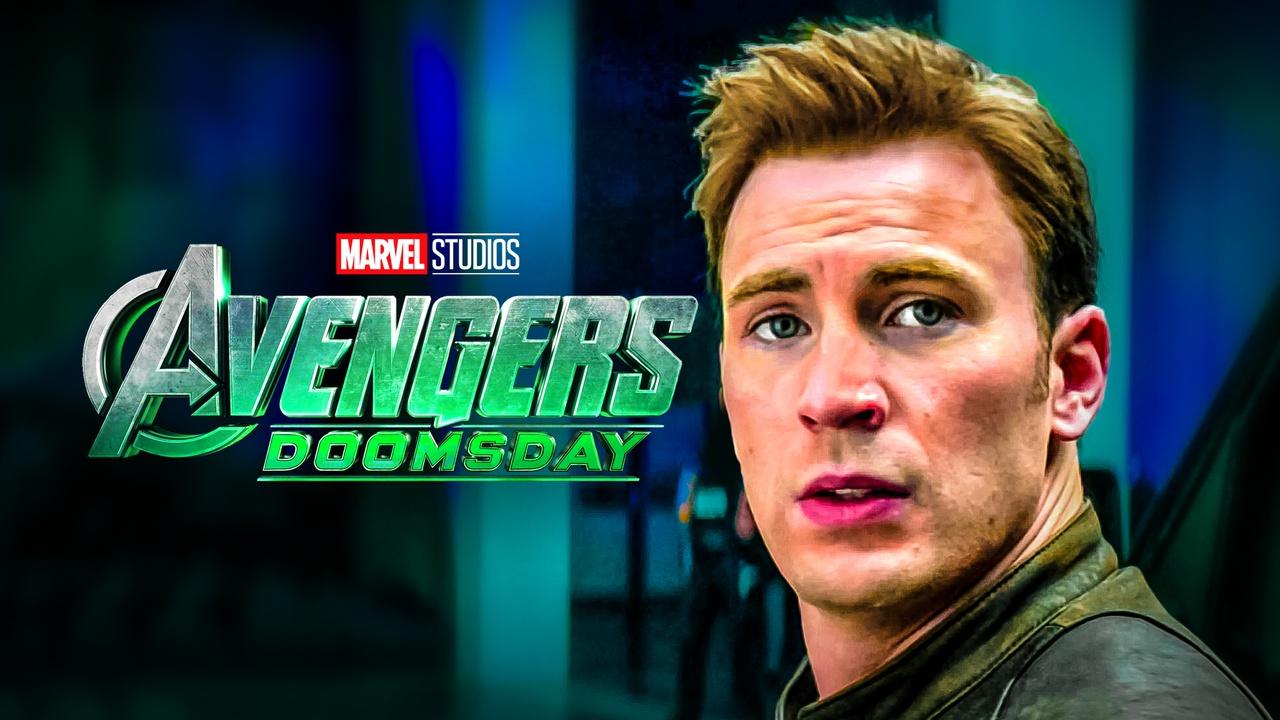
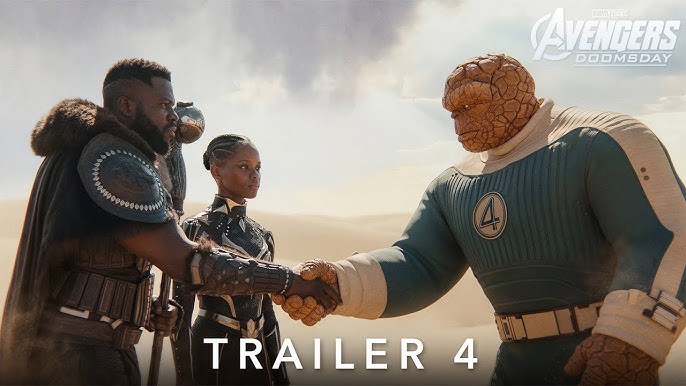
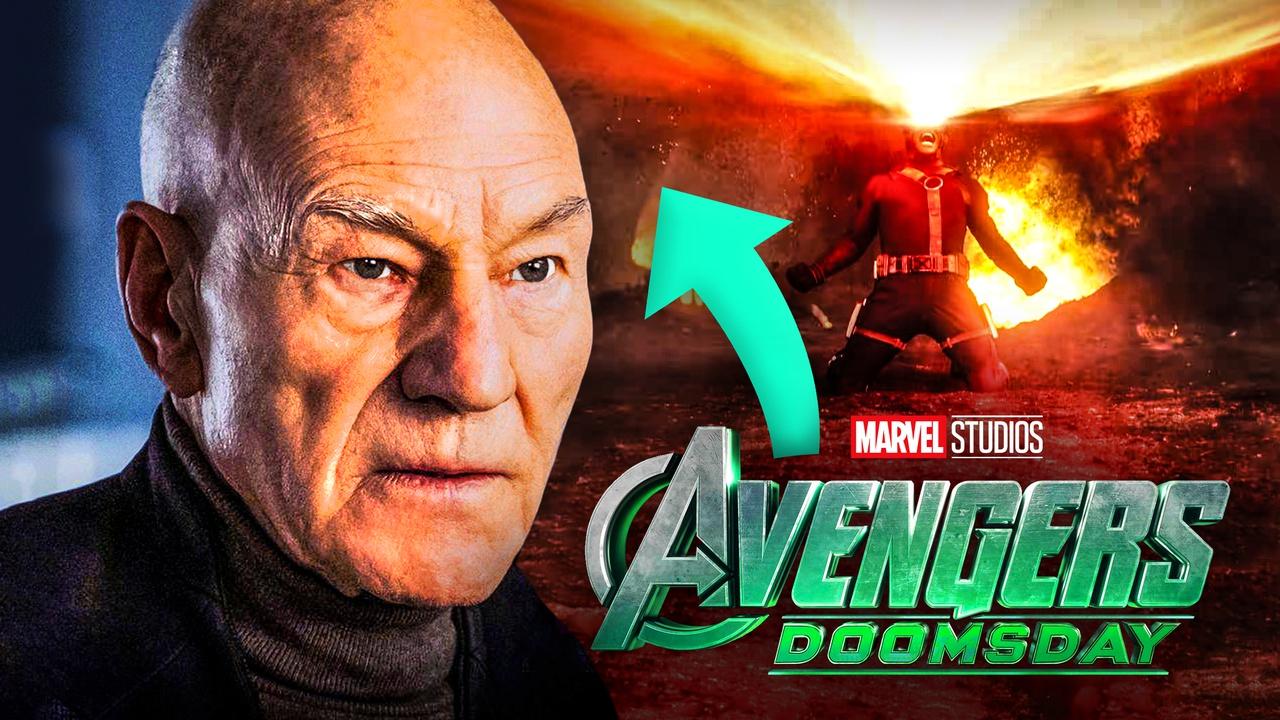
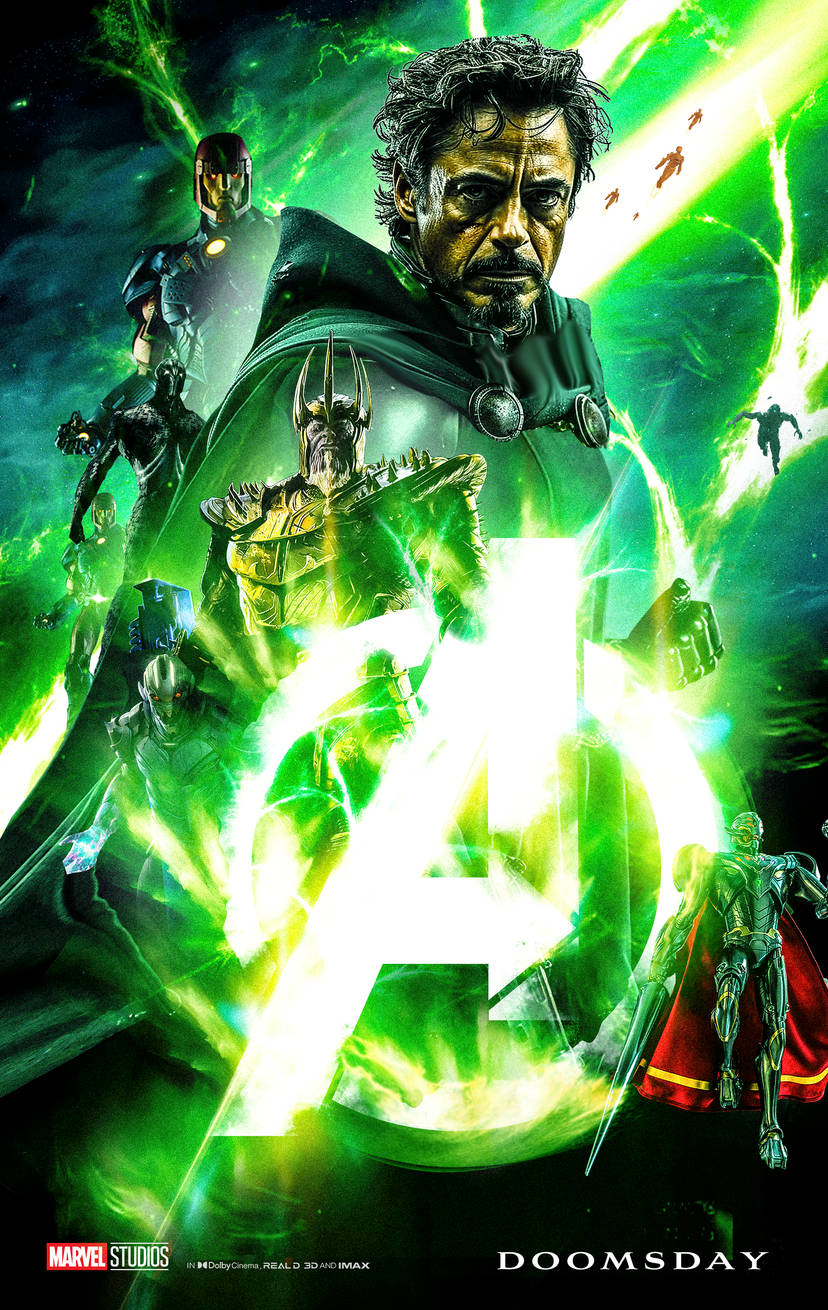
Avengers: Doomsday – first trailer to debut with Avatar
- According to recent entertainment-industry reports, Avengers: Doomsday will drop its first trailer on 19 December 2025, attached to screenings of Avatar: Fire and Ash.
- The logic behind this release plan: give the film maximum early exposure — long before its theatrical release date (currently scheduled for 18 December 2026).
- This kind of long lead (roughly a year before release) isn’t unheard of for tentpole films — though it carries risk. The gap is long enough that hype can fade; but the potential payoff is high if demand is kept strong. Historically many films release their first trailer about 4–6 months before their release.
The result: Marvel fans get an early taste of what’s coming — and for many, just the trailer is enough to generate excitement, social media buzz, and early planning for the release next year.
Spider-Man: Brand New Day — trailer expectations amid IMAX scheduling
- Spider-Man: Brand New Day is scheduled for release on 31 July 2026.
- There was speculation (among fans) that its trailer might also attach to Avatar: Fire and Ash, but as of now that seems unlikely. Reports indicate the two big trailers (Doomsday and Spider-Man) won’t run together.
- An interesting side note: as per IMAX’s 2026 release schedule, Spider-Man: Brand New Day won’t get an IMAX release. Given that IMAX screenings are often key for big-budget blockbusters to shine, this decision may affect how the film markets itself.
So while Spider-Man remains highly anticipated, its trailer rollout may follow a more traditional (less splashy) phase compared with Doomsday.
Dune: Part Three — looming on the horizon
- Dune: Part Three is scheduled to release on 18 December 2026.
- As a major sci-fi/fantasy epic, it naturally belongs to the same “tentpole/high-hype” category. While there’s no confirmed trailer-with-Avatar plan publicly announced yet, it wouldn’t be surprising if its marketing team monitors how Doomsday’s trailer performs when attached to Avatar — and then chooses a similar strategy for Dune’s metrics.
What This Trend Means for Moviegoers, Fans and Film Industry
1. Early Hype, Longer Wait
Releasing trailers a year ahead — especially via high exposure platforms like Avatar screenings — means fans get early hype. But that also means they must hold excitement and anticipation for a long time. For fans, that can build intense anticipation. For studios, it’s a balancing act: too early a teaser and interest might wane; too late and you lose the marketing advantage.
But as data suggests, for many big films, that gap works. On average, most theatrical trailers release about four months before a film’s release.
Early-trailer campaigns give films a longer runway to build social media buzz, merchandise hype, early ticket-booking (where applicable), and word-of-mouth — all essential before release.
2. Strategic Pairing — Big Film + Big Trailer = Win
Studios often pair the trailer of a new film with a currently popular or highly anticipated film’s theatrical release. This maximises eyeballs. As described earlier, trailers before blockbuster films have become a “cult phenomenon” — this strategy is especially effective for big franchise films, superhero sagas, sci-fi epics, or family adventures.
For example, attaching Doomsday’s trailer to Avatar: Fire and Ash brings together fans of high-concept sci-fi and superhero fans — a potentially overlapping and high-value audience.
3. The Double-Edge of Spoilers and Over-Hype
There’s a growing conversation around how modern trailers might “spoil too much.” Because filmmakers are adept at using advanced editing and CG, trailers often give us a lot of visual spectacle — sometimes enough to guess plot beats, possibly reducing the thrill of discovery when we actually watch the film.
In some cases, trailers assemble scenes that may not even end up in the final film. Filmmakers treat trailers as their own artistic product — sometimes showing footage later cut or rearranged. This creative freedom means what you see in the trailer isn’t always what you get on screen.
For fans, this can be exciting — but also risky. High expectations can lead to disappointment if the final film fails to deliver.
4. The Importance of Cinematic Experience — Why Big Screens Still Matter
One of the main reasons trailers attached to big films work is because of the expectation of immersive cinema — something that only theatres can deliver. For epic movies like Avatar, Dune, and major superhero sagas, visuals, sound design, and cinematic scale play a huge role.
When trailers drop through IMAX or large-format cinema — or are first revealed during theatre screenings — they remind audiences why the theatrical experience still matters.
Even with streaming becoming more dominant, this strategy shows that studios believe in giving audiences reasons to return to cinemas — especially for spectacle-heavy films.
What Films Might Benefit Next — and What to Watch For
Given how the marketing winds are blowing now, here are a few likely scenarios and what to watch if you follow big films:
- More blockbusters will try the “attach-to-tentpole” trailer strategy. Success of Doomsday’s trailer could incentivize other studios (sci-fi, fantasy, franchise) to use Avatar or similar tentpoles to drop teasers/trailers.
- Early trailers might become the norm for big-budget films — even a year before release. As we see with Doomsday, studios may feel the payoff (lengthy buzz, early social media traction) justifies the long wait until release.
- Cinematic experiences (IMAX, 4DX, Dolby) will remain critical. As films rely on visuals and sound for impact, trailers and marketing will emphasize theatrical quality — not just streaming.
- Fans will be more discerning about hype vs reality. With more trailers, teasers, concept videos — some tailored just for marketing — audiences may become more careful about getting their hopes up.
Final Thoughts: Why This Matters — Even for Casual Movie Fans
If you love movies — big spectacles, superheroes, sci-fi sagas — this trend matters. It affects which films get made, how studios plan their marketing, and ultimately, how we watch movies.
Trailers are not just about selling a film. They set our expectations: what the film might be, how big it could feel, how much spectacle or emotional weight it carries. When done well, a trailer can make a film feel like “the next big event.” When done poorly — or overhyped — it can leave a sour feeling, even before movie hits theatres.
But the trend around trailer-with-Avatar shows something hopeful: despite streaming and shorter attention spans, there are still studios betting big on theatrical cinema — on immersive experiences, on shared crowd reactions, on the power of the big screen.
For fans, that means more opportunities to get excited, to talk, to speculate. And — if the films deliver — to experience that rush of awe, surprise, and cinematic wonder that only big-screen movies can give.